Peptide profiler
Quick adme quote
Connect with us


Expert Knowledge

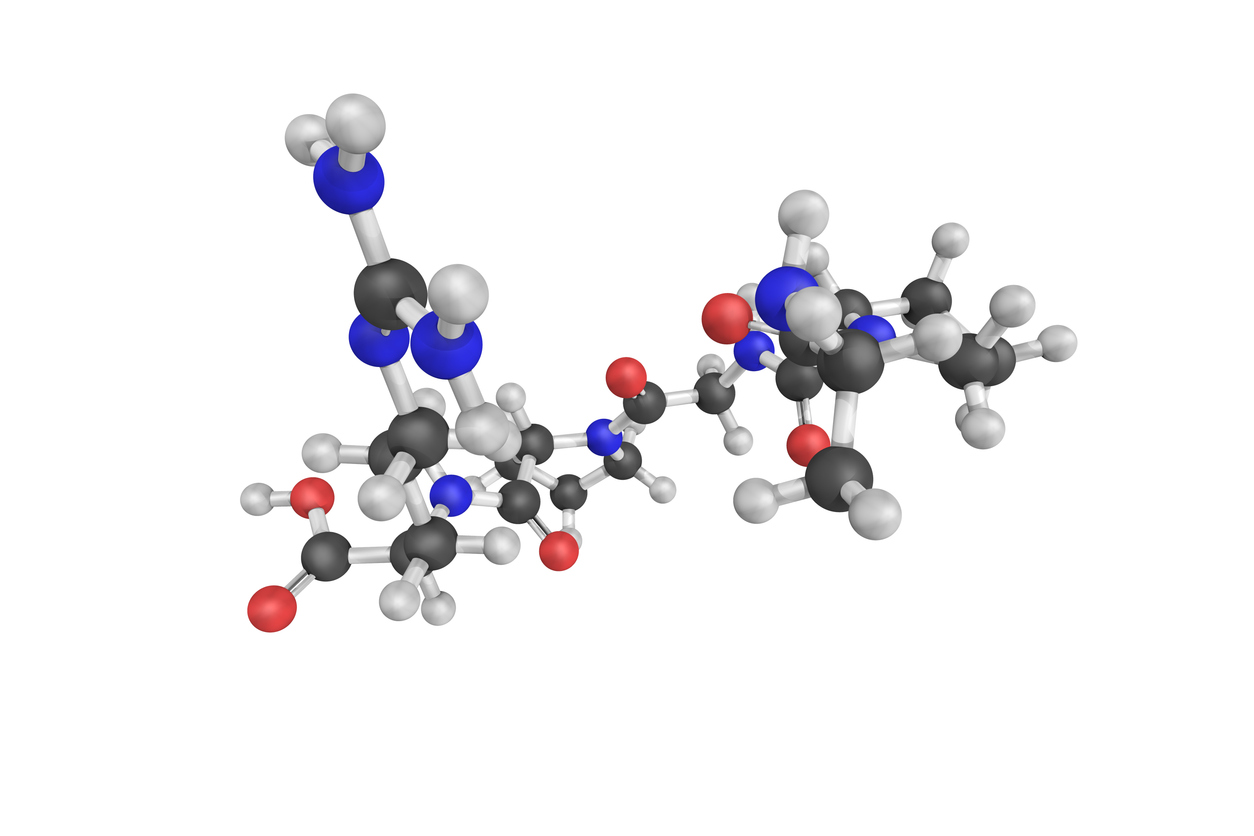
Peptides are quietly revolutionizing medicine, offering exceptional selectivity and specificity, and reducing the risk of off-target effects compared with small molecules. Additionally, because their degradation products are amino acids, the risk of systemic toxicity is significantly lowered (1).
To date, nearly 100 peptide drugs have been approved worldwide with many more progressing from preclinical to clinical stages. A notable milestone is the approval of semaglutide (Rybelsus®, Novo Nordisk A/S), the first oral GLP-1 receptor agonist for type 2 diabetes and weight management (1).
Despite recent advancements, significant challenges still remain in the drug discovery and development of this therapeutic class. In particular, peptides are prone to rapid clearance and enzymatic degradation, often requiring non-oral administration routes such as intravenous or subcutaneous delivery. Developing a robust ADME (Absorption, Distribution, Metabolism, and Excretion) strategy is essential to address these hurdles.
Peptides typically exhibit poor membrane permeability due to their high polarity and molecular weight. This limits their ability to cross lipid membranes, resulting in extremely low oral bioavailability (often less than 1%). They are also highly susceptible to enzymatic degradation in plasma, the GI (gastrointestinal) tract, and the liver leading to rapid clearance from circulation (2).
Several strategies can be used to address these issues and minimise attrition. Firstly, both passive and active permeability assays (PAMPA, Caco2, MDCK) should be conducted at an early stage in drug discovery. It is also recommended to test peptides stability in a range of environments, i.e. blood, plasma and GI-simulated fluids (FeSSIF/FaSSIF). The advantage of these assays is that they can be highly customized by changing medium, pH, and time courses. Physiological conditions can be mimicked further, for example through the addition of proteases and peptidases that would be present in vivo. For more information on our assays click here.
Unlike small molecules, peptides are less likely to undergo cytochrome P450-mediated metabolism. Peptides are metabolized and eliminated from the body via two main mechanisms:
1) Rapid proteolytic degradation in plasma, tissues, and organs, often through multiple and unpredictable cleavage pathways.
2) Elimination via renal clearance, especially for small (< 5–10 kDa) and hydrophilic peptides.
Finally, peptides might interact with renal and hepatic transporters, further complicating their pharmacokinetic profile (1).
To maximize success at later clinical stages, it is important to investigate metabolic liabilities of the peptides with comprehensive in vitro (metabolite identification) and in vivo (pharmacokinetic) studies. Although the complexity of multiple cleavage pathways makes it challenging to fully elucidate the metabolic fate of peptides, with the right expertise and analytical tools, it is possible to identify metabolic soft spots and guide structural optimization in aid of medicinal chemistry.
In order to predict renal clearance of peptides, cell-based assays with cell lines overexpressing renal transporters (e.g., PEPT1, OAT1, OCT2) can be used to assess whether peptides are substrates or inhibitors of specific transporters, followed by in vivo studies in animal models.
Developing robust bioanalytical methods for peptides presents several key challenges. These include low systemic exposure typical of peptide therapeutics, instability in biological matrices, and non-specific binding to labware or matrix components. As a result, method development must prioritize high sensitivity (often in the low nanomolar range) and effective sample stabilisation to minimize degradation and proteolysis. This can be achieved by adding protease inhibitors and maintaining low temperatures during sample handling and prior to extraction. One important pharmacokinetic parameter is plasma protein binding (PPB), which helps determine the free (active) drug concentration at the target site. While the Rapid Equilibrium Dialysis (RED) device is commonly used for small molecules, it is not the recommended methodology for peptides as it can be strongly affected by adsorption to the labware. Instead, ultracentrifugation is preferred, as it minimizes adsorption artifacts and provides more reliable PPB data.
Cross-species differences in PPB, peptidase expression, and metabolic cleavage patterns further complicate in vitro–in vivo extrapolation (IVIVE) and translation to human pharmacokinetics. These complexities underscore the importance of DMPK expertise and advanced PK/PD (pharmacodynamics) modeling, which can significantly influence the success of peptide drug development by guiding rational design and improving predictive accuracy.
Find out more about our bioanalysis and PK screening.
Understanding the specific challenges associated with developing peptide therapeutics is essential. Using established workflows and trusted external partners, we ensure seamless data integration and rapid turnaround. For more information explore our webpages or contact our ADME scientists.
2) Di, L. Strategic Approaches to Optimizing Peptide ADME Properties. AAPS J 17, 134–143 (2015).