Peptide profiler
Quick adme quote
Connect with us

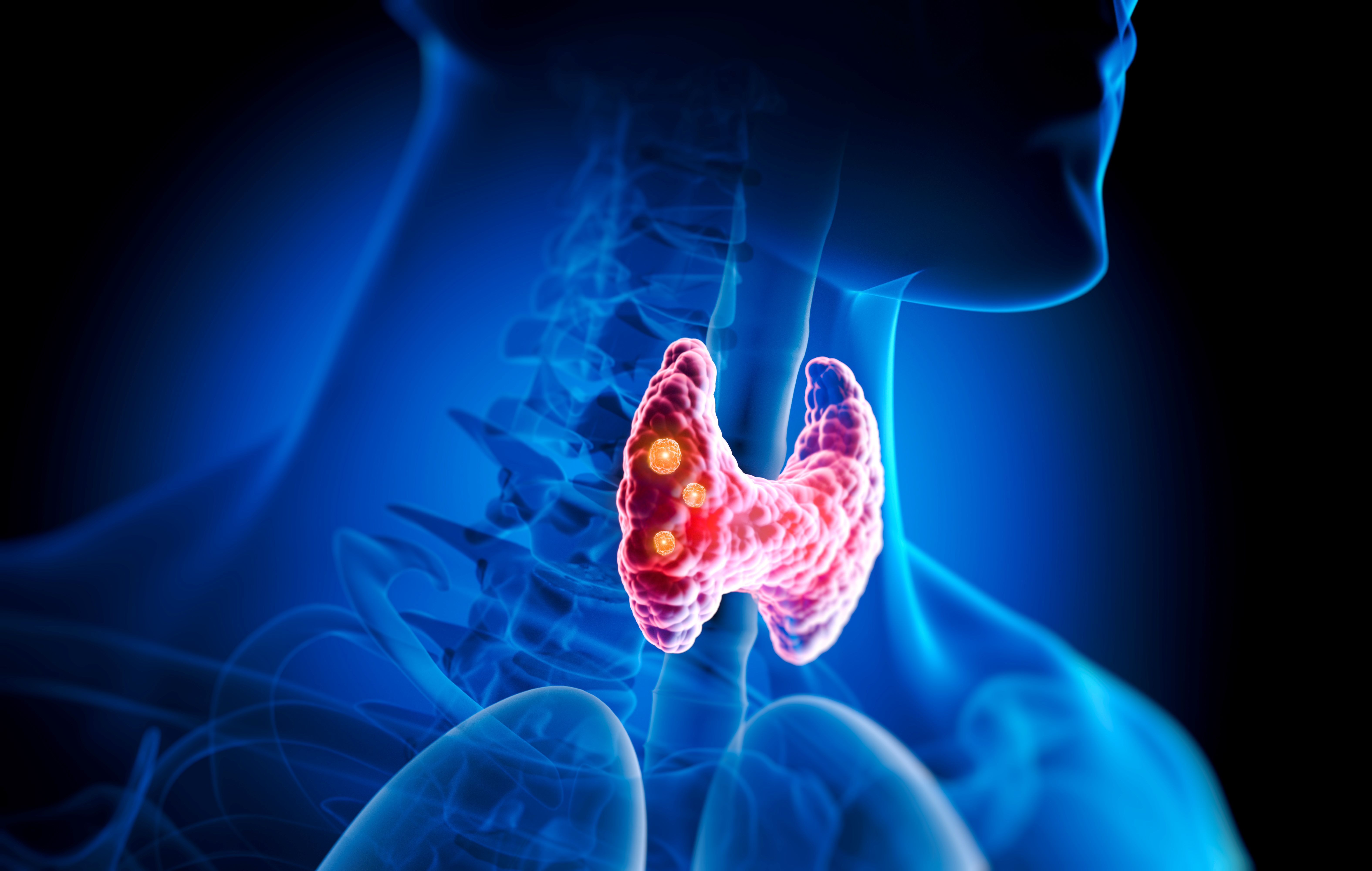
In an era of heightened regulatory scrutiny and environmental awareness, toxicology is critical for assessing the impact of chemicals in industrial, environmental, agrochemical, and consumer sectors. GLP compliant mechanistic toxicology studies supporting endocrine disruptor assessment, mode of action (MoA) interpretation, and regulatory decision making under REACH, CLP, ECHA, EFSA and FDA/EMA frameworks guide safer product development.
The expert team at Concept Life Sciences offer GLP-compliant mechanistic toxicology studies that support regulatory decision-making for agrochemical, industrial, and specialty chemical sectors to:
Our integrated in vitro, in vivo, and ex vivo platforms generate defensible mode-of-action data aligned with OECD guidelines and evolving regulatory expectations.
Helping you navigate:
Our focus is clear: delivering mechanistic clarity that supports credible regulatory submissions, protects product value, and enables your informed decision making.
Beyond study execution, our scientists actively contribute to industry led and collaborative initiatives that strengthen the mechanistic basis of endocrine disruptor assessment to support the evolution of OECD Test Guidelines.
Increasing regulatory scrutiny of endocrine and thyroid disruption requires robust mechanistic evidence to support hazard identification, adversity, and biological plausibility. Early, targeted mechanistic studies can reduce uncertainty and prevent unnecessary downstream testing.
We combine deep mechanistic expertise, advanced technologies, and regulatory insight to deliver tailored toxicology solutions that stand up to scrutiny, for industrial and agrochemical products.
As a specialist CRO (contract research organization) combining decades of regulatory toxicology expertise with modern mechanistic and New Approach Methodologies (NAMs)., we help regulatory, and safety teams navigate complex toxicological questions with confidence.
Our GLP-accredited laboratory enables you to have confidence in our integrated in vitro, in vivo, and ex vivo mechanistic toxicology platforms to generate defensible, regulator-ready MoA data packages aligned with OECD Test Guidelines and evolving regulatory expectations.
Whether you are addressing endocrine disruption, thyroid effects, or hepatic mode of action, our science is designed to directly answer the questions regulators ask, supporting hazard identification, risk assessment and classification decisions while minimizing uncertainty and late-stage setbacks, to keep your products compliant, credible, and competitive.
“Concept Life Sciences delivered exactly what we needed, GLP-compliant mechanistic data with clear regulatory interpretation. Their responsiveness and expertise set them apart.”
Regulatory Toxicology Consultant
“CLS is the laboratory we refer to for bespoke mechanistic toxicology studies in carcinogenicity and endocrine disruption. Their scientific staff understood our regulatory needs and delivered high quality, fit for purpose results.”
Toxicology Client
Our clients range from regulatory, safety, and toxicology teams in:
They rely on us for mechanistic evidence that strengthens endocrine disruptor assessments, supports risk-based decision-making, and underpins regulatory confidence.
Speak directly with our scientists to discuss your regulatory challenge and identify the most appropriate mechanistic toxicology strategy.
A: Our services are designed for agrochemicals, pharmaceuticals, industrial and specialty chemicals, biocides, cosmetics, and consumer products. We support regulatory, safety, and toxicology teams requiring mechanistic evidence to inform hazard identification, risk assessment, classification, and regulatory submissions under frameworks such as REACH, CLP, EFSA, and ECHA.
A: We generate GLP-compliant, OECD-aligned MoA data that directly address regulatory questions around adversity, biological plausibility, and species relevance. Our studies strengthen weight-of-evidence (WoE) arguments, reduce uncertainty, and support defensible conclusions for endocrine disruption, thyroid effects, hepatic findings, and carcinogenicity-related mechanisms.
A: Yes. We offer a comprehensive EATS panel, including OECD Test Guidelines 455, 456, and 458, alongside expanded thyroid molecular initiating events such as TPO, DIO, NIS, TTR, and UGT. These assays are designed to provide early mechanistic clarity and are aligned with current and emerging regulatory expectations for endocrine disruptor identification.
A: All relevant studies are conducted in our GLP-accredited laboratory and designed to meet OECD Test Guidelines and evolving regulatory standards. Our outputs are structured to be submission-ready, with clear scientific interpretation to support REACH dossiers, EFSA pesticide assessments, CLP classification, and ECHA endocrine disruptor evaluations.


