Peptide profiler
Quick adme quote
Connect with us


Expert Knowledge

This article highlights why early integration is essential to avoid costly delays and development failure. By aligning scientific, technical, and regulatory inputs from the start, organisations can de-risk programmes and accelerate progress.
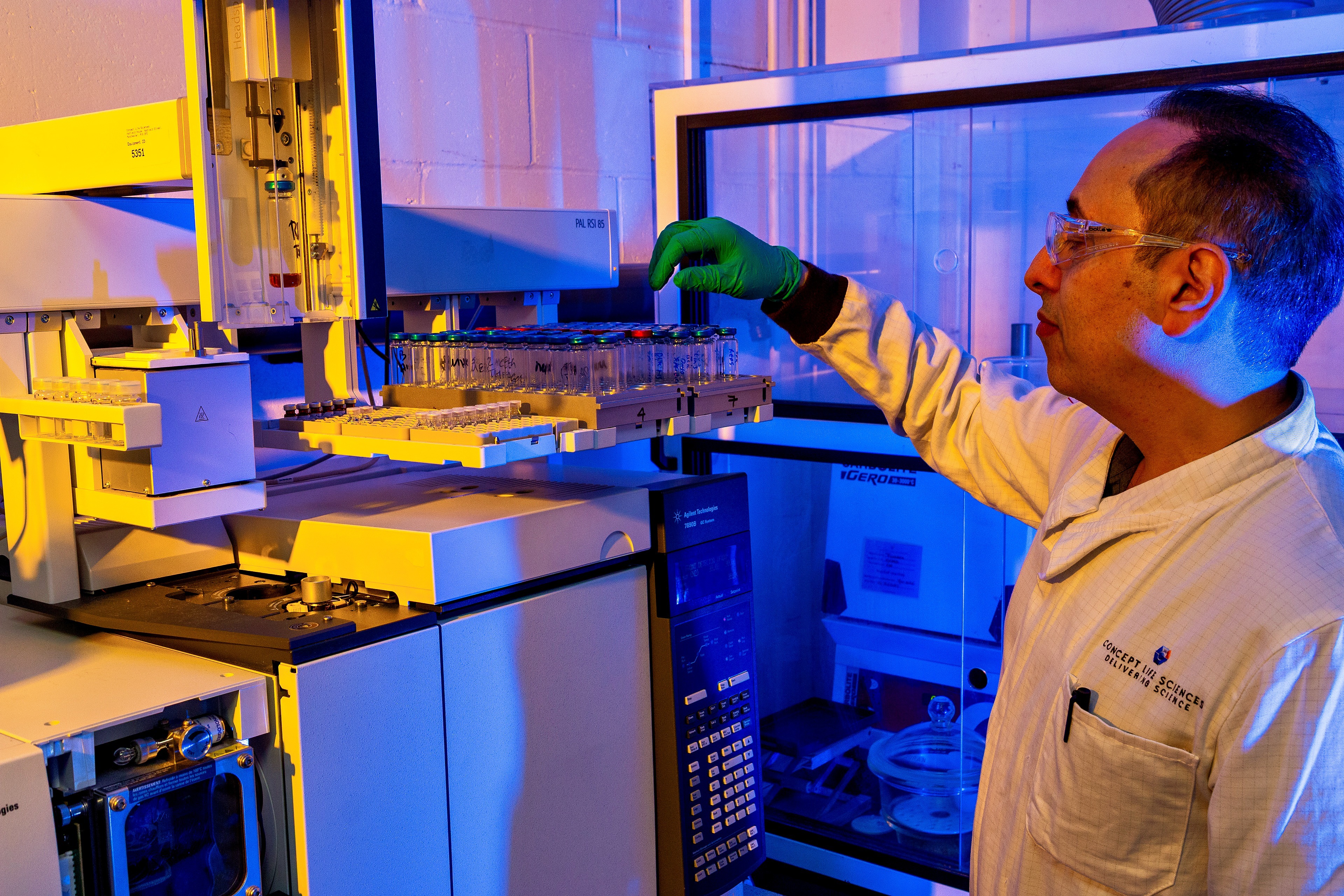

Advancing a compound from discovery through candidate nomination and into GMP manufacturing is one of the most complex transitions in drug development. The difference between seamless progression and costly delays often lies not in the science itself, but in how effectively scientific and operational disciplines are integrated.
Integrated development strategies — combining chemistry, biology, pharmacology, toxicology, CMC, regulatory, and manufacturing expertise — are no longer optional. They are fundamental to reducing risk, preserving timelines, and maximizing the likelihood of clinical success. Fragmented approaches frequently lead to avoidable setbacks. When teams operate in silos, critical insights are missed, late-stage surprises emerge, and programs stall. By aligning functions early, organizations create a coherent pathway from discovery to GMP readiness.
In many organizations, chemistry optimizes yield, biology prioritizes potency, and toxicology assesses safety — often with limited cross-functional visibility. This can result in conflicting interpretations, duplicated work, and incomplete understanding of a compound’s true profile. A highly potent molecule, for example, may be deprioritized due to solubility or stability challenges that could have been addressed earlier through coordinated formulation input.
Implement centralized data management and structured cross-functional governance from lead optimization onward. Regular interdisciplinary reviews, shared data platforms, and dedicated project leadership ensure that decisions are made holistically rather than in isolation. Clear advancement criteria, agreed upon across disciplines, reduce downstream risk.
A recurring reason for clinical attrition is over-reliance on preclinical models that fail to predict human response. Strong in vitro data does not guarantee clinical efficacy. Without early integration of translational strategy, organizations risk advancing compounds that lack a clear bridge to clinical endpoints.
Embed translational medicine thinking into candidate nomination. Align preclinical models with anticipated clinical biomarkers and endpoints. Use complementary systems — including human-derived models and mechanistically relevant animal studies — to strengthen predictive validity. Early clinical alignment improves confidence in first-in-human progression.
Formulation and PK/PD strategy are too often treated as downstream activities. Yet bioavailability limitations, rapid clearance, or poor stability can compromise even the most promising molecule. When these considerations are deferred, development flexibility narrows significantly.
Incorporate formulation feasibility and PK/PD modeling during lead optimization. Generate early ADMET data to guide both chemical refinement and delivery strategy. Predictive modeling can inform dose feasibility and support a clinically relevant target product profile (TPP) from the outset.
Advancing a candidate without clear alignment to regulatory expectations can create significant delays at the IND stage. Missing safety data, poorly defined critical quality attributes (CQAs), or insufficient documentation can result in rework or additional studies.
Introduce regulatory strategy at the candidate evaluation stage. Define regional requirements (FDA, EMA, etc.) early and ensure preclinical and CMC activities are structured to support submission expectations. Proactive regulatory alignment reduces surprises and accelerates approval pathways.
A compound that performs well at bench scale may encounter serious challenges when moving toward GMP production. Impurity profiles, synthetic route robustness, raw material availability, and cost of goods can all derail timelines if assessed too late.
Engage process chemistry and manufacturing experts during lead selection. Evaluate synthetic scalability and route robustness early. Parallel process development studies can identify bottlenecks before clinical material production begins. Early CMO engagement further smooths transition to GMP manufacturing.
An integrated development model transforms candidate nomination from a collection of disconnected technical tasks into a cohesive, strategically aligned progression toward clinical success.
By combining scientific rigor with operational foresight, organizations can:
Integration is not simply about coordination — it is about designing development programs with the end in mind.
In the next article, we explore:
Route scouting: A critical step in de-risking your API
We will examine how early synthetic route evaluation can dramatically reduce manufacturing risk, improve scalability, and strengthen long-term commercial viability.