Neuroscience Drug Discovery Support

Generate translationally relevant evidence to reduce risk and accelerate neuroscience drug development

Why do neuroscience drug discovery programs fail?

Despite significant advances in neuroscience research, CNS drug development continues to experience some of the highest attrition rates in the pharmaceutical industry. Many programs generate promising early data but fail to translate into meaningful clinical outcomes.

Common reasons include poor disease relevance of experimental models, limited understanding of complex CNS biology, weak mechanistic evidence, and uncertainty around translational biomarkers.

We help biopharma teams overcome these challenges through disease-relevant neuroscience models, functional biology expertise, and mechanism-led study design. Our goal is simple: generate decision-grade evidence that enables confident progression from target validation through candidate selection and preclinical development.

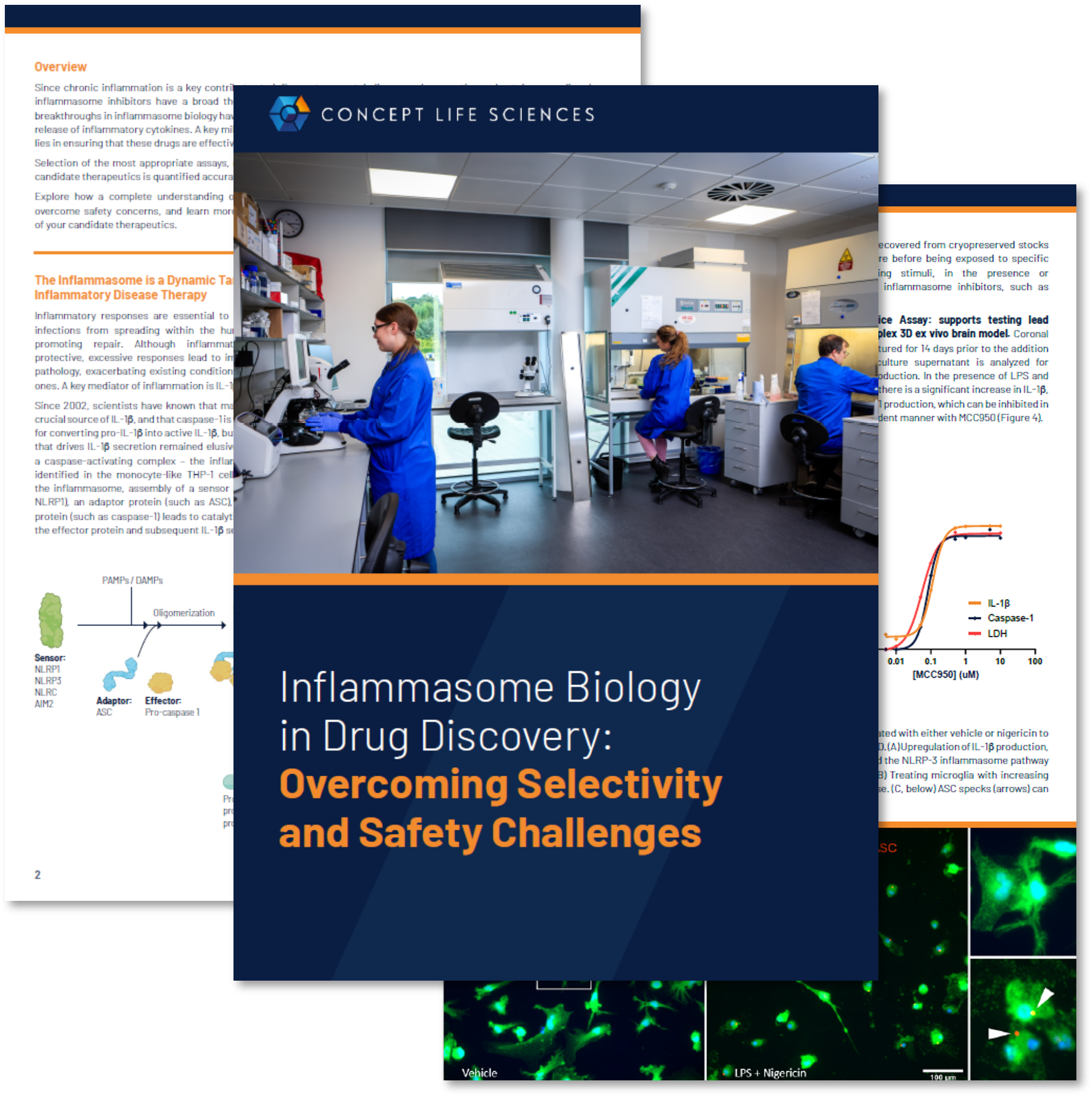
Watch our new webinar: Translational Success in Inflammasome Drug Discovery - How advanced models and integrated assays can reduce attrition.

From neuroscience complexity to confident decisions

Neuroscience drug discovery is often hindered by poor clinical translation, complex CNS biology, and uncertainty around mechanism and biomarkers. We help biopharma teams overcome these challenges by generating decision-grade evidence that reduces risk and supports confident progression decisions.

What Challenge Are You Facing? How We Help Benefit to Your Program
Limited confidence that preclinical findings will translate to human disease Disease-Relevant CNS Models
  • Human iPSC-derived neurons
  • Glial cells
  • Primary CNS systems
  • Advanced multicellular models aligned to disease biology and therapeutic hypothesis
Reduce translational risk and improve confidence when progressing candidates into costly in vivo and clinical studies.
Difficulty demonstrating mechanism of action in complex CNS systems Mechanism-Led Functional Assessment
  • Functional studies measuring therapeutic impact on neuroinflammation
  • Neuronal health
  • Synaptic function
  • Remyelination
  • Disease-relevant pathways
Generate stronger evidence packages that support progression, investment, and regulatory decision-making.
Poor understanding of how multiple CNS cell types contribute to disease Integrated Neuroscience Expertise
  • Studies investigating interactions between neurons, astrocytes, microglia, and oligodendrocytes
  • Evaluation of inflammatory signaling networks
Gain deeper biological insight and a more complete understanding of therapeutic response.
Uncertainty around biomarkers and clinical translation Translational Biomarker Integration
  • Incorporation of clinically relevant biomarkers
  • Functional endpoints integrated into study design from the outset
Strengthen the connection between preclinical data and future clinical outcomes.
Difficulty selecting the right candidate to progress Decision-Focused Study Design
  • Target validation studies
  • Candidate prioritization strategies
  • Progression readiness assessments
Make more confident progression decisions and reduce development risk.
Challenges validating novel targets in disease-relevant systems Target Validation Strategies
  • Tailored experimental approaches
  • Confirmation of target engagement
  • Assessment of biological relevance
  • Evaluation of therapeutic potential
Build confidence in target selection before committing significant development resources.

Neuroscience expertise areas

Mechanism-led neuroscience supported by specialist biology expertise, disease-relevant human models, and decision-grade data designed to reduce development risk.

Neuroinflammation Myelin Biology Neuronal Biology
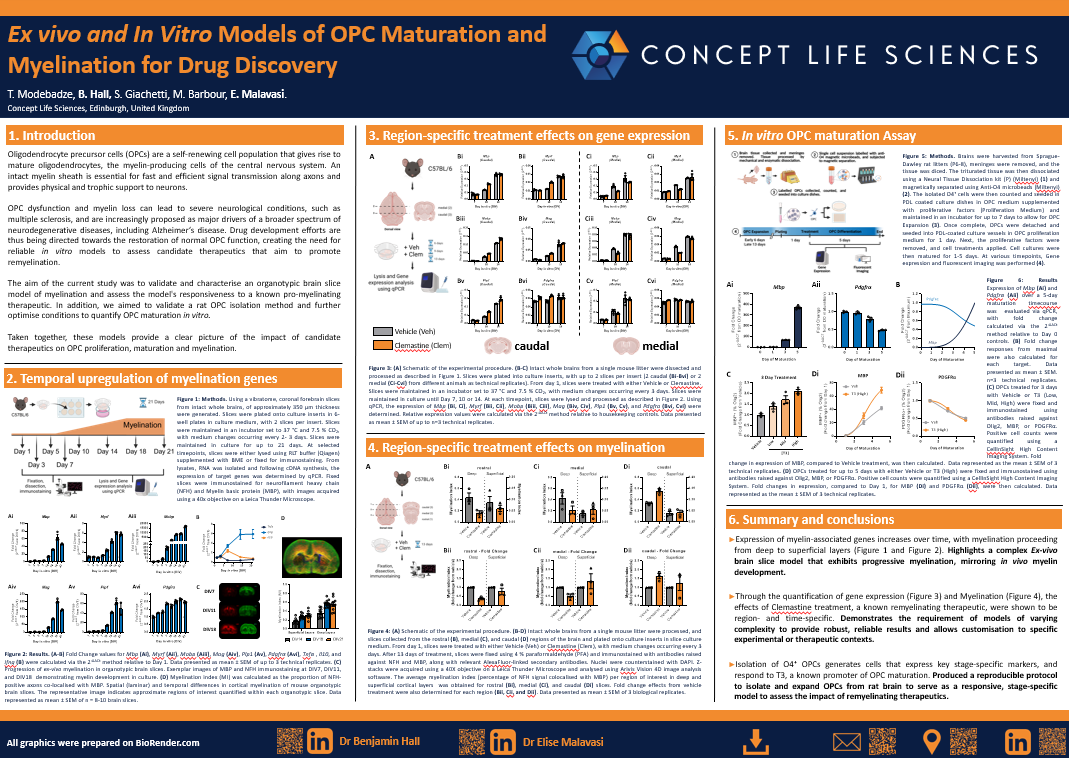
Pro- and anti-inflammatory polarization assay OPC maturation models Neurodevelopment
Phagocytosis Myelination models Neurotoxicity
Migration
NLRP3 inflammasome activation

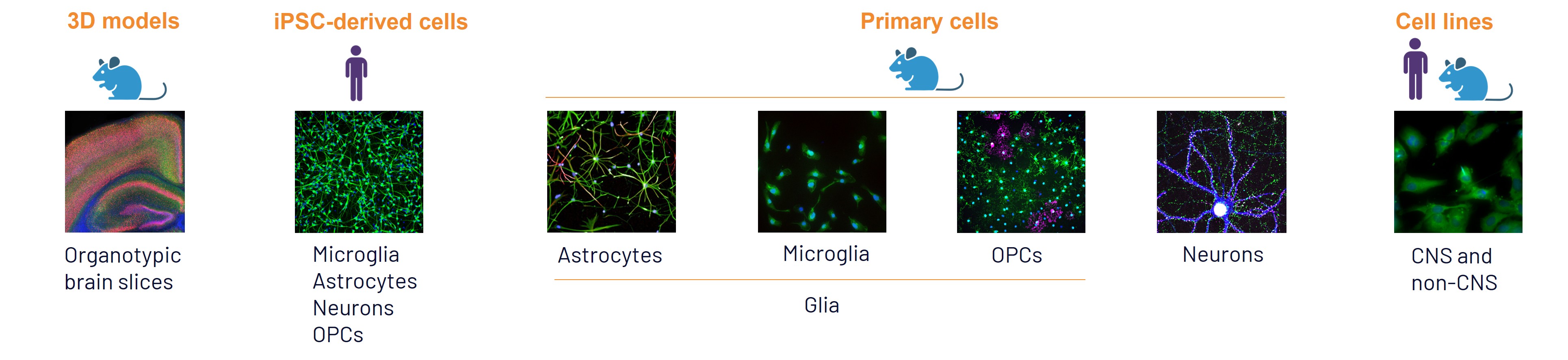
By seamlessly combining rodent and human iPSC-derived models, we deliver robust pre-clinical data for your drug discovery program. Explore our models here.

Discover how human iPSC-derived neural systems, advanced 3D models, and AI-supported workflows are helping improve translational relevance, accelerate neuroscience drug discovery, and enable smarter decision-making for neurological and neurodegenerative disease research in our latest article with Drug Discovery & Development.
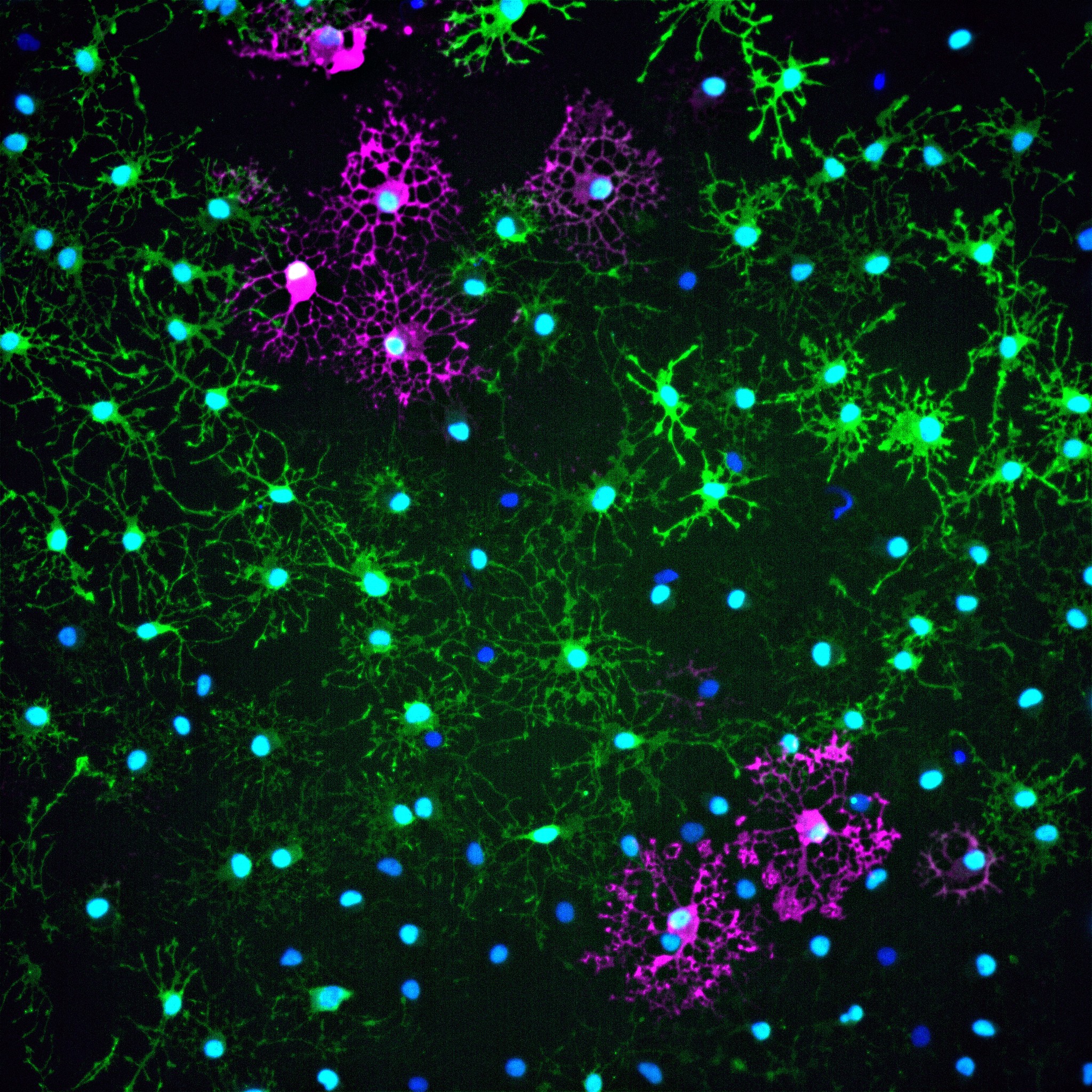
What is neuroinflammation and why is it important in neurodegenerative disease?

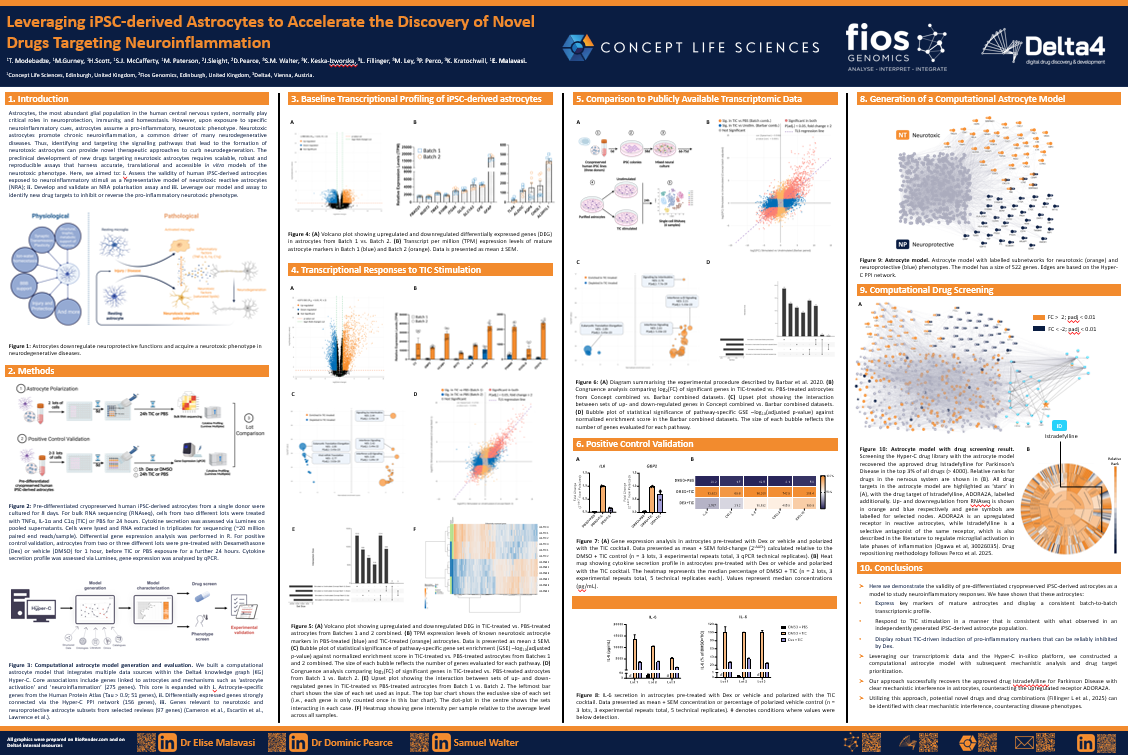
Neuroinflammation is a central feature of neurodegenerative diseases. Multiple astrocyte and microglia signaling pathways become chronically dysregulated, triggering sustained release of pro-inflammatory cytokines, chemokines, and neurotoxic molecules that contribute to neuronal damage and degeneration.

Modulation of these inflammatory pathways is a promising therapeutic strategy in diseases such as Alzheimer’s disease and Parkinson’s disease. Our neuroscientists can support both ready-made solutions and bespoke experimental designs aligned to your program goals.

What models and readouts are available for microglial and astrocyte activation?

We support a range of inflammation-focused CNS models and functional assays to interrogate glial biology and inflammatory activation states.

How do you assess myelin biology and oligodendrocyte function?

The maintenance of healthy myelin is essential for efficient axonal conduction. Oligodendrocyte precursor cells (OPCs) give rise to myelin-producing oligodendrocytes, and dysfunction in this system is implicated in diseases such as multiple sclerosis and Alzheimer’s disease.

We quantify key aspects of myelin biology in both the presence and absence of candidate therapeutics.

  • OPC proliferation
  • OPC maturation
  • Brain slice myelination
How do you evaluate neuronal function and drug effects in vitro?

in vitro neuronal models provide controlled systems to assess the impact of candidate CNS drugs on neuronal function, signaling pathways, and cellular health.

Neuronal monocultures are used to assess cell-autonomous effects, including neurotoxicity and neuroprotection. Neuron–glia co-cultures enable evaluation of indirect mechanisms mediated through glial modulation and intercellular communication, providing a more physiologically relevant system.

Our neurobiology expertise supports selection of the most appropriate model, experimental design, and readouts.

  • Quantification of neurotoxicity and neuroprotection
  • Kinetic assessment of neurite development in live neurons
  • High-content imaging of neurite networks and synaptic density
  • Measurement of organelle health and function (e.g., mitochondrial and autophagosome function)
  • Assessment of neuronal function via calcium flux
OPCs immune stained with Olig2 (white), PDGFRa (green) andMBP (magenta)

Therapeutic areas we support

Our neuroscience expertise supports drug discovery programs across:

  • Alzheimer's disease
  • Parkinson's disease
  • Multiple sclerosis
  • Amyotrophic lateral sclerosis (ALS)
  • Huntington's disease
  • Neuroinflammatory disorders
  • Rare neurological diseases
  • CNS regenerative medicine

A clear path from question to data

Scientific consultation - We align on target biology, disease mechanism, and program objectives.

Study design and model selection Our scientists recommend the most relevant models, biomarkers, and functional endpoints.

Study execution - Studies are delivered with dedicated scientific oversight and regular communication.

Interpretation and next-step recommendations - Results are translated into actionable conclusions that support progression decisions.

From CNS complexity to confident decisions - Disease-relevant models. Functional biology. Translational biomarkers.

Together, these generate the decision-grade evidence needed to reduce development risk and accelerate neuroscience drug discovery.

Whether you are validating a novel CNS target, investigating neuroinflammatory mechanisms, evaluating remyelination strategies, or selecting lead candidates, our neuroscience experts can help.

Watch the webinar: Translational Success in Inflammasome Drug Discovery - How advanced models and integrated assays can reduce attrition.

Fast response. Confidential discussions. Direct access to neuroscience experts.

Explore Other Biology and Therapeutic Areas

Neuroscience Drug Discovery FAQs

Q: What neuroscience models do you use?

A: We use disease-relevant human and primary CNS systems, including iPSC-derived neurons, astrocytes, microglia, oligodendrocytes, co-culture systems, and organotypic brain slices.

Q: Can you support neurodegenerative disease programs?

A: Yes. We support drug discovery programs across Alzheimer's disease, Parkinson's disease, ALS, Huntington's disease, multiple sclerosis, and other neurological disorders.

Q: How do you assess neuroinflammation?

A: We evaluate neuroinflammatory responses using microglial and astrocyte models, cytokine profiling, pathway analysis, and functional cellular endpoints.

Q: Can you develop bespoke neuroscience assays?

A: Yes. We routinely develop and optimize custom assays for novel targets, emerging mechanisms, and complex CNS biology.

Q: How do you improve translational relevance?

A: We combine human-relevant cellular models, functional endpoints, biomarker integration, and mechanism-led study design to improve confidence in clinical translation.