Peptide profiler
Quick adme quote
Connect with us


Immunology drug discovery is inherently complex. Highly interconnected signaling pathways, cellular heterogeneity, and context-dependent immune responses make it difficult to generate data that reliably predicts clinical outcomes. Many programs fail because early studies rely on oversimplified systems that do not adequately reflect disease biology or demonstrate meaningful immune modulation.
At Concept Life Sciences, we help biopharma teams overcome these challenges through disease-relevant immunology models, functional pharmacology assays, and integrated scientific expertise. Our approach generates decision-grade evidence from target validation through to candidate selection, helping reduce uncertainty and improve progression decisions.
Immunology and inflammation programs are complex, multi-pathway, and highly context dependent. Many candidates fail due to poor model relevance, oversimplified readouts, or limited understanding of mechanism and patient biology.
Many CROs focus on assay execution. We focus on answering the biological questions that determine whether your program progresses, pivots, or stops.

Mechanism-led immunology models and translational endpoints reduce uncertainty and accelerate confident decisions.
Have trust in your next critical immunology development decision.
From primary cell isolation to functional readouts, we deliver mechanism-led immunology solutions that generate decision-grade evidence for your program.
Translational immunology assays provide insight on inflammation and tumor microenvironment, explore our immunology capabilities by cell type and study objective:
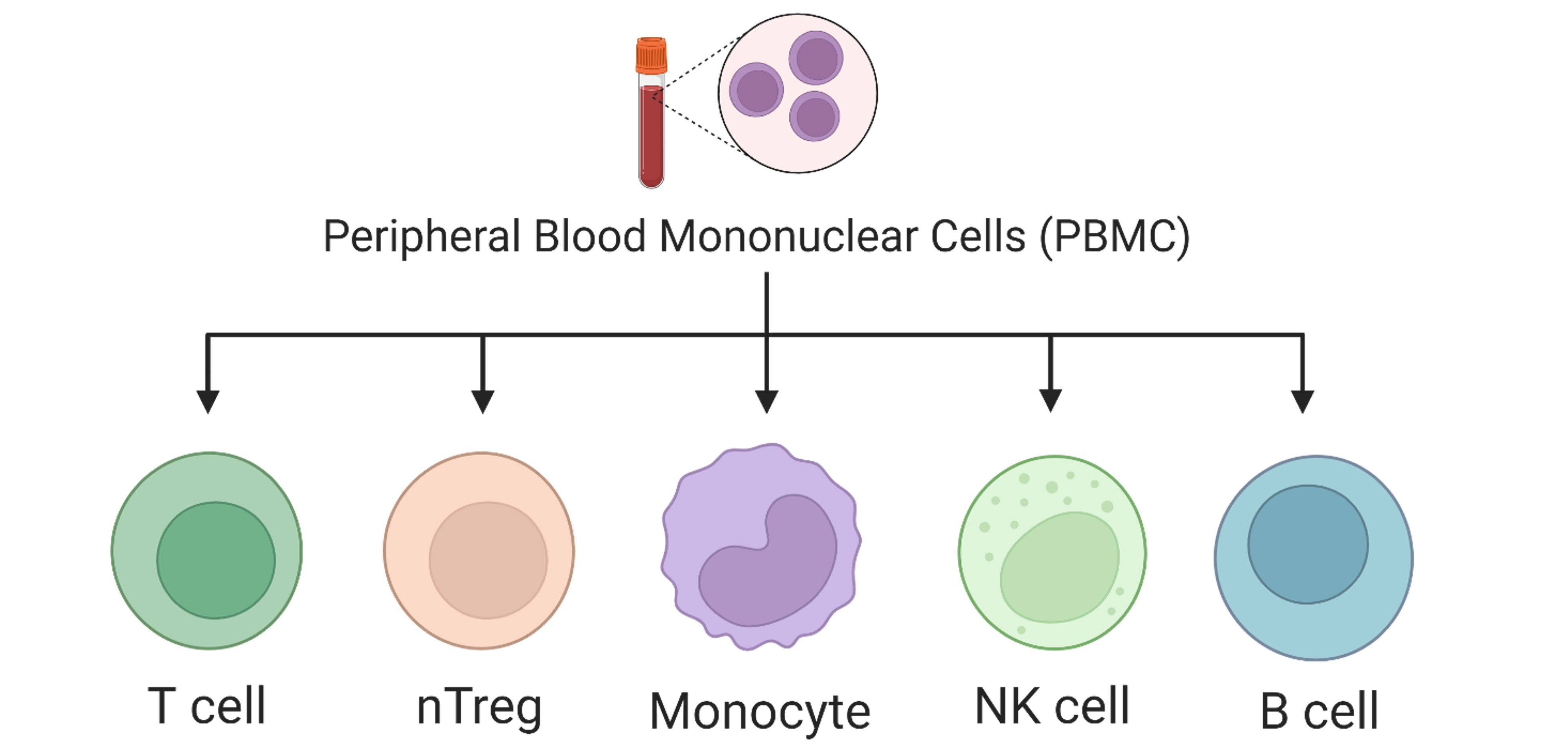
T cell activation assay | NK cell activation assay | Monocyte activation assay | B cell activation assay
| Assays |
|---|
| Th1, Th2, Th17 | Dendritic cell (mo-DC) |
| iTreg | Activating Macrophage (M1) |
| Effector T cell | Suppressive Macrophage (M2) |
| Exhausted T cell | Myeloid Derived Suppressor Cell (MDSC) |
Generate the evidence you need to understand how your therapeutic modulates the immune system and make confident progression decisions.
By combining phenotypic, molecular, and functional immune profiling, we provide a multidimensional view of compound activity in a single, biologically relevant, decision-focused dataset. This enables you to confirm mechanism of action, differentiate candidates, and reduce development risk.

Rather than relying on a single endpoint, we tailor an integrated profiling strategy around your target biology, therapeutic modality, and research objectives.
Using technologies including multiparameter flow cytometry, ELISA, Luminex® and MSD multiplex immunoassays, Cell-to-CT™ and TaqMan® qPCR, and bulk and single-cell transcriptomics, we generate the data needed to answer your most important scientific questions.
Our functional immunology platform enables comprehensive characterization of compound activity across diverse immune cell populations that include: Cell activation, cell proliferation, cell death, migration, phagocytosis and cytotoxicity.
“The Concept Life Sciences team consistently tailored its services to our goals while delivering quality results. But it’s not just about results. Concept Life Sciences detailed analysis and interpretation helped us confidently choose the most apposite next study to strengthen the case for our candidates.”
Michael Agrez, CEO and Chief Scientific Officer, InterK Peptide Therapeutics
InterK Peptide Therapeutics required a comprehensive exploration of two novel peptides’ immunomodulatory effects.
Using diverse model systems and a flexible study design approach to refine research questions and enhance result interpretation, a number of custom assays were developed.
By providing cutting-edge immunology expertise, InterK were able to accelerate its research, strengthen its intellectual property and attract critical funding and collaborations. Our role as a collaborative contract research organization, ensured InterK received not just data, but strategic insights to advance its immunotherapy program with confidence.
With a flexible and consultative approach, we work closely with you to provide custom-built solutions that are led by your goals, timelines and internal processes, to deliver the insight needed to drive your project to the next stage.
With a legacy spanning over 15 years, a full range of biology and we support you with:
Discover how human iPSC-derived neural systems, advanced 3D models, and AI-supported workflows are helping improve translational relevance, accelerate neuroscience drug discovery, and enable smarter decision-making for neurological and neurodegenerative disease research in our latest article with Drug Discovery & Development.
We offer a suite of assays using THP-1 cells and primary macrophages to assess compound activity on the inflammasome pathway. Readouts include ASC speck formation, IL-1β release, and other markers of inflammasome activation, enabling detailed profiling of anti-inflammatory potential. Watch our new webinar: Translational Success in Inflammasome Drug Discovery - How advanced models and integrated assays can reduce attrition.
Whether you are validating an immune target, profiling an immunomodulator, or building a translational package to support progression, we can help generate functional evidence that reduces risk and improves decision confidence.
Fast response. Confidential discussions. Direct access to scientific experts.
A: We specialize in human primary immune cell models derived from PBMCs of healthy donors. These cells (e.g. monocytes, T cells) can be differentiated, polarized, and activated to recreate functionally relevant disease-like states in vitro. This enables us to model a wide range of immune cell types and activation states, far beyond the original sample, covering diverse immunological pathways and disease scenarios.
A: Yes. We support autoimmune and inflammatory programs using targeted functional assays that capture key immune pathways, including Th1/Th17 T cells, pro inflammatory macrophages, and B cells. We also run advanced co-culture systems to assess how immune modulation impacts tissue cells (epithelial, endothelial, fibroblasts), providing insight into disease-relevant inflammation and tissue pathology.
A: We understand that every project is unique, with its own scientific, technical, and strategic needs. While we specialize in human primary immune cell assays delivering high physiological relevance and translational values, also available are:
We provide guidance to select the best option for the study, ensuring the right model is chosen to answer the research question.
A: Most of our assays are run in 96 well plate formats, allowing multiple plates to be processed in parallel and enabling efficient screening across conditions. Where higher throughput is needed, we can adapt to 384 well formats (e.g. PBMC-based assays). Importantly, experiments are performed using multiple donors to capture donor-to-donor variability and ensure robust, translatable results.
A: We measure immune modulation using clear functional readouts such as cytokine release, cell activation, and proliferation. We can provide single, robust endpoints, but more often deliver multiparametric analysis to capture the full cellular response, combining:
This gives a more complete picture of immune activity, not just a single marker.
A: Yes. We routinely develop fit-for-purpose assays for novel targets, emerging pathways, and complex immune mechanisms.
A: We align immune biology, functional endpoints, and biomarker strategies to strengthen the connection between preclinical findings and clinical hypotheses.
A: Yes. We combine pharmacology, immune profiling, biomarker strategy, bioanalysis, and supporting disciplines to deliver cohesive decision-grade datasets.


